Category:
UI/UX Design
Client:
Moxel Ltd
Year:
2024
Budget:
$2404
Visual Harmony
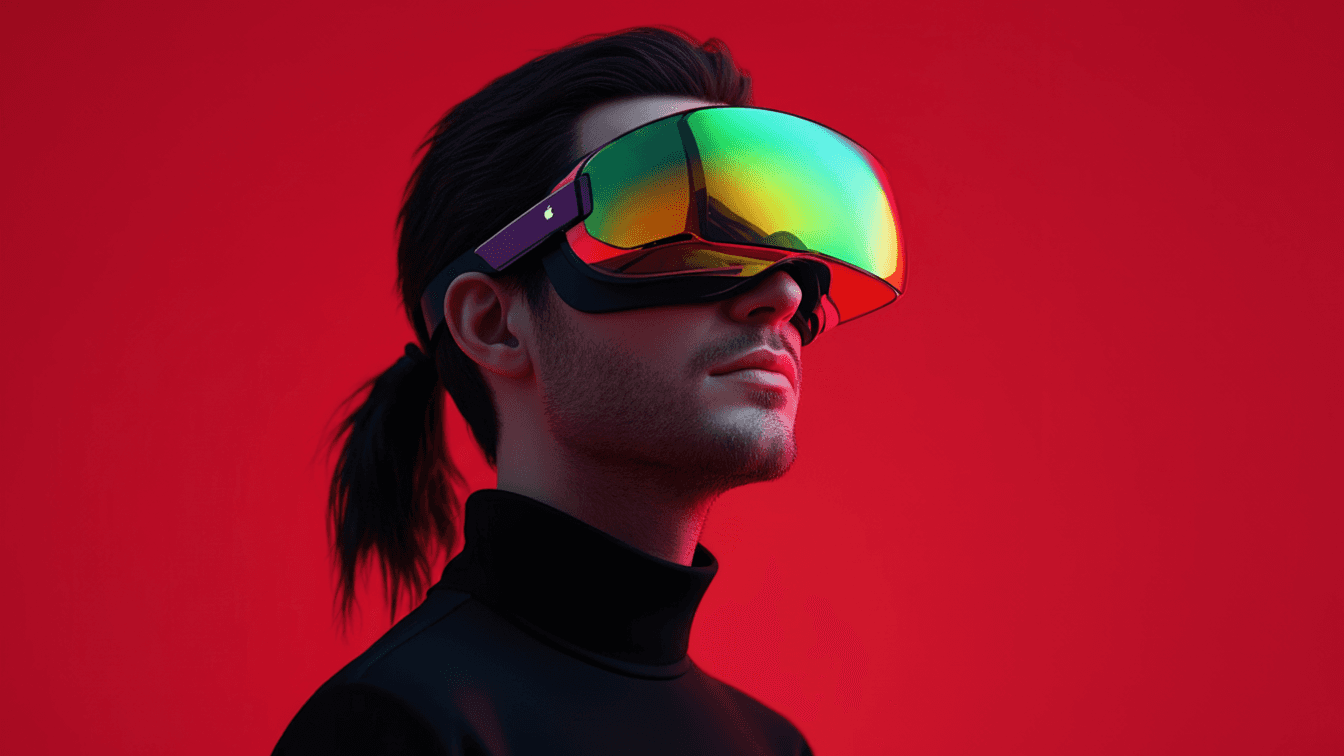
In a world crowded with visuals, brands must communicate with clarity, elegance, and purpose. This is where Visual Harmony becomes essential. It is the art of aligning colors, shapes, typography, and layouts in a way that feels balanced and meaningful. Visual Harmony turns ordinary design into an experience that feels seamless, calm, and intuitive—giving brands the power to connect emotionally and communicate effectively.
What Is Visual Harmony?
Visual Harmony is the balance between creativity and structure. It reflects the way elements work together to form a unified, pleasing composition. When harmony is present, nothing feels out of place. Colors blend naturally, typography flows, spacing feels comfortable, and the entire design feels effortless. It is the silent language that tells users your brand is thoughtful, professional, and trustworthy.
Why Visual Harmony Matters
In digital design, first impressions happen fast. A visually balanced interface instantly conveys quality and credibility. Without harmony, design feels chaotic, overwhelming, or confusing. Visual Harmony creates comfort for the user, guides attention naturally, and strengthens understanding. It elevates brand perception and ensures every interaction feels smooth and enjoyable.


Building Balance Through Composition
The foundation of Visual Harmony lies in composition. Grids, alignment, spacing, and hierarchy all work together to create structure. A well-balanced composition ensures that elements are not fighting for attention but supporting one another. This balance helps create a natural flow, leading the user’s eyes effortlessly through the layout while reinforcing clarity and intent.
Creating Cohesive Color Systems
Colors have emotional power, and harmony in color selection is essential. When colors complement each other, the design feels calm and unified. Visual Harmony ensures palettes remain consistent across screens, pages, and branding materials. Proper contrast, tone selection, and color balance strengthen identity and improve usability.
Typographic Rhythm and Flow
Typography is more than choosing fonts; it’s about creating rhythm. Sizes, weights, line spacing, and alignment must work together to produce flow and readability. Visual Harmony ensures typography supports the message instead of distracting from it. When text feels balanced, users can connect with content easily and enjoyably.
Unifying Visual Elements
Harmony is achieved when all elements—icons, images, shapes, and illustrations—share a common visual language. Style consistency ensures the design feels connected rather than fragmented. Visual Harmony brings unity to the brand, making every touchpoint feel familiar and recognizable.
